
In trenchless technology operations, including microtunneling and guided auger boring, we utilize laser-guided navigation systems to maintain line and grade control. These systems help ensure accuracy in the placement of underground pipelines, particularly in urban environments where minimal surface disruption is required. The use of such precision tools supports structural integrity and alignment with engineering standards, while also reducing the environmental and social impact during construction.
At our STPs, we implement Programmable Logic Controller (PLC) and SCADA systems to automate and monitor various treatment processes. Additionally, Online Continuous Effluent Monitoring Systems (OCEMS) are deployed as per the requirement of the client and scope of work to ensure real-time compliance with effluent discharge norms mandated by regulatory authorities. These automation tools enhance operational transparency, reliability, and environmental accountability. As per the requirement of the project, our scope of work includes instrumentation and automation for sewer manholes with pumping arrangements (MWPs), integrated with SCADA to enable real-time monitoring of operational parameters and remote management.

In our efforts to mechanize hazardous operations and eliminate manual scavenging, we have deployed robotic systems for manhole cleaning. The sewer cleaning robots designed for use in sewer manholes are equipped with an IP68-rated underwater camera, robotic arms with multiple degrees of freedom for shoveling and picking, and a real-time monitoring interface. The system includes a gas detection unit for harmful gases such as methane, carbon monoxide, and hydrogen sulfide, with alerts displayed on a touchscreen user interface. This technology significantly enhances worker safety, operational visibility, and cleaning efficiency, while aligning with national goals for dignity of labor and sanitation modernization.
We are also implementing Smart Manhole Monitoring Systems in urban sewer networks. These involve the installation of battery-powered devices equipped with Light Dependent Resistors (LDRs) and cable float switch-based water level sensors. Capable of transmitting data over GSM/GPRS networks, these devices provide continuous monitoring of sewer water levels, enabling timely alerts and proactive intervention through centralized management systems.
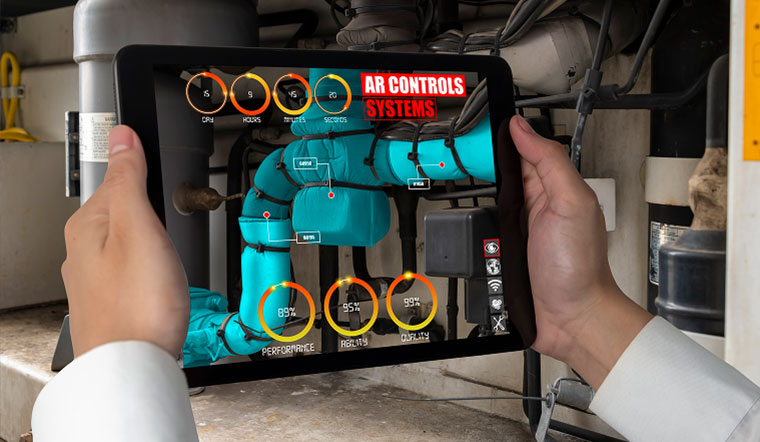
To further advance operational intelligence, we are going to deploy Artificial Intelligence-based online monitoring systems at STP in Kota. These systems include analyzers at both inlet and outlet points, dissolved oxygen (DO) analyzers, hydrostatic level sensors, data logging transmitters (DLTs), and associated instrumentation such as flow meters and pressure gauges. The system enables end-to-end automation and intelligent plant management as per project specifications and the direction of the Engineer-in-Charge.
As part of our commitment to digital urban infrastructure, we also undertake Geographic Information System (GIS)-based consumer mapping services. This includes mapping of individual water and sewer connections, database development, and asset plotting on GIS maps, using satellite imagery provided by the relevant government department. These initiatives support data-driven decision-making and improve transparency in utility management.
We also employ automated safety monitoring equipment in confined work environments. This includes oxygen level detectors and alarm systems linked to gas masks, enhancing worker safety during underground and enclosed-space operations. These safety systems form part of our broader commitment to adopting digital tools that support compliance with health, safety, and environmental norms.
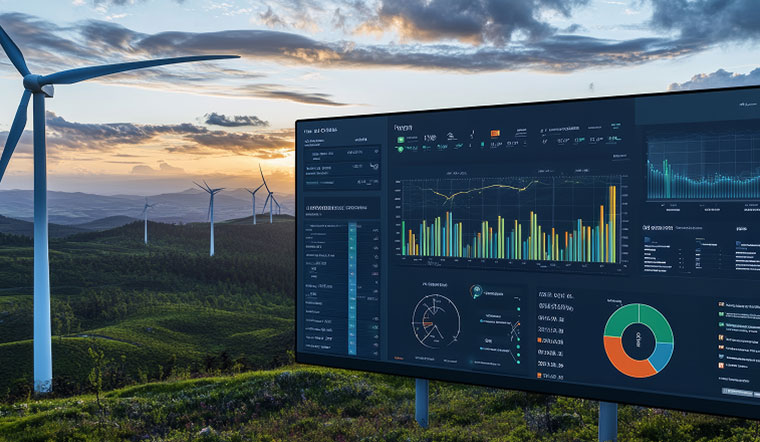
In our renewable energy initiatives, including solar power installations at locations such as Kota, Bikaner, and Kotputli, we are implementing internet-enabled remote monitoring systems for real-time tracking of energy generation, system performance, and diagnostics. These installations are equipped with communication-enabled inverters and transformers, allowing centralized supervision, efficient load management, and predictive maintenance. Control systems are also implemented to allow for real-time monitoring and management of energy generation, load balancing, weather tracking, and diagnostics.
As we continue to expand our operations, particularly in projects that involve digitally managed sewerage systems and solar-powered infrastructure and, we intend to strengthen our information technology infrastructure.

Our Human Resources division drives workforce growth and development across diverse projects and locations. We offer continuous training, a supportive work environment, and clear career progression opportunities to empower talented professionals and build a sustainable future together.
Join Our Team